
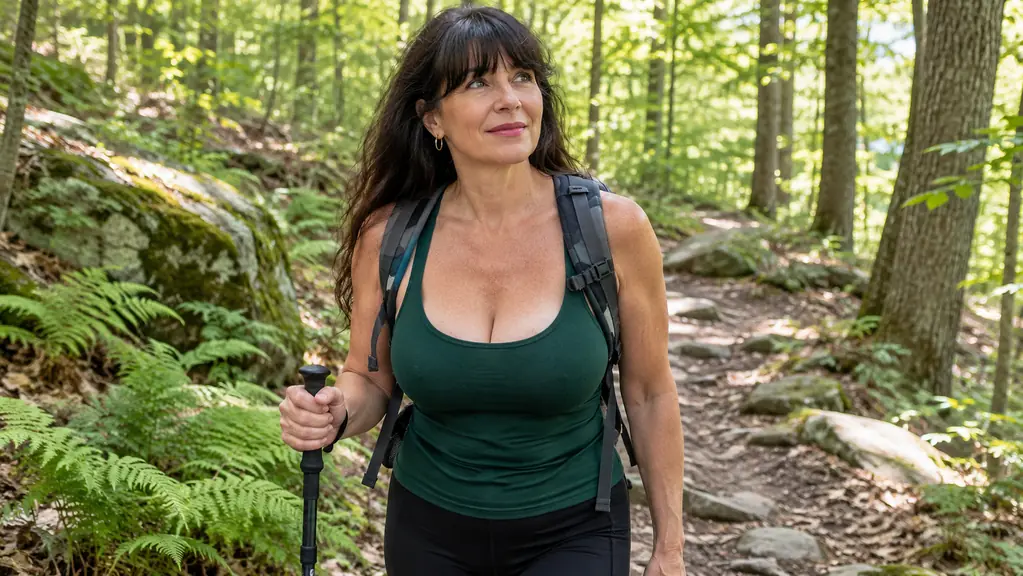
Last March I did what I should have done years earlier: I retired the plain daypack I had carried since my dental hygiene days and bought a Teton Oasis Hydration Pack from Teton Sports. I hike three to six miles most weeks from March through October in the southern Appalachian foothills outside Fort Payne, Alabama, and my old setup had one flaw I could not fix. Every time I wanted a drink, I had to stop, swing the pack off one shoulder, unzip a pocket, and dig out a bottle. By the time I got the cap off, I had lost my rhythm and sometimes my shade. The Oasis is an 18-liter day pack with a 2-liter bladder, and after one season of weekly hikes I can tell you exactly why it makes those miles easier.
I am 57, I have a stiff lower back in the mornings, and I am not a backpacker. I have been hiking these hills for about twenty-five years. I do day hikes, and I car camp about ten weekends a season with my husband, Ray. That is the lens here. This is not a review of a pack for a thru-hike. It is a list of ten practical reasons a hydration pack earns its place on ordinary weekend trails, based on one season with the Teton Sports Oasis and no overnight trips.
The pack I reach for before I reach for my boots
18 liters, a 2-liter bladder, weather-guarded zippers, and a rainfly that stays in the bottom until the sky changes its mind.
Amazon See the Teton Oasis on Amazon →You drink more often because the tube is already there
My old bottle lived in the bottom of the pack. Out of sight, out of mind. The Oasis routes a drinking tube over my shoulder, so I can take a sip without breaking stride. On a 4-mile loop in July I emptied most of the 2-liter bladder and never once stopped to rummage. That is the whole point of a hydration pack, and Teton Sports got the simple part right. I still carry a small bottle as backup on very hot days, but I reach for the tube first.
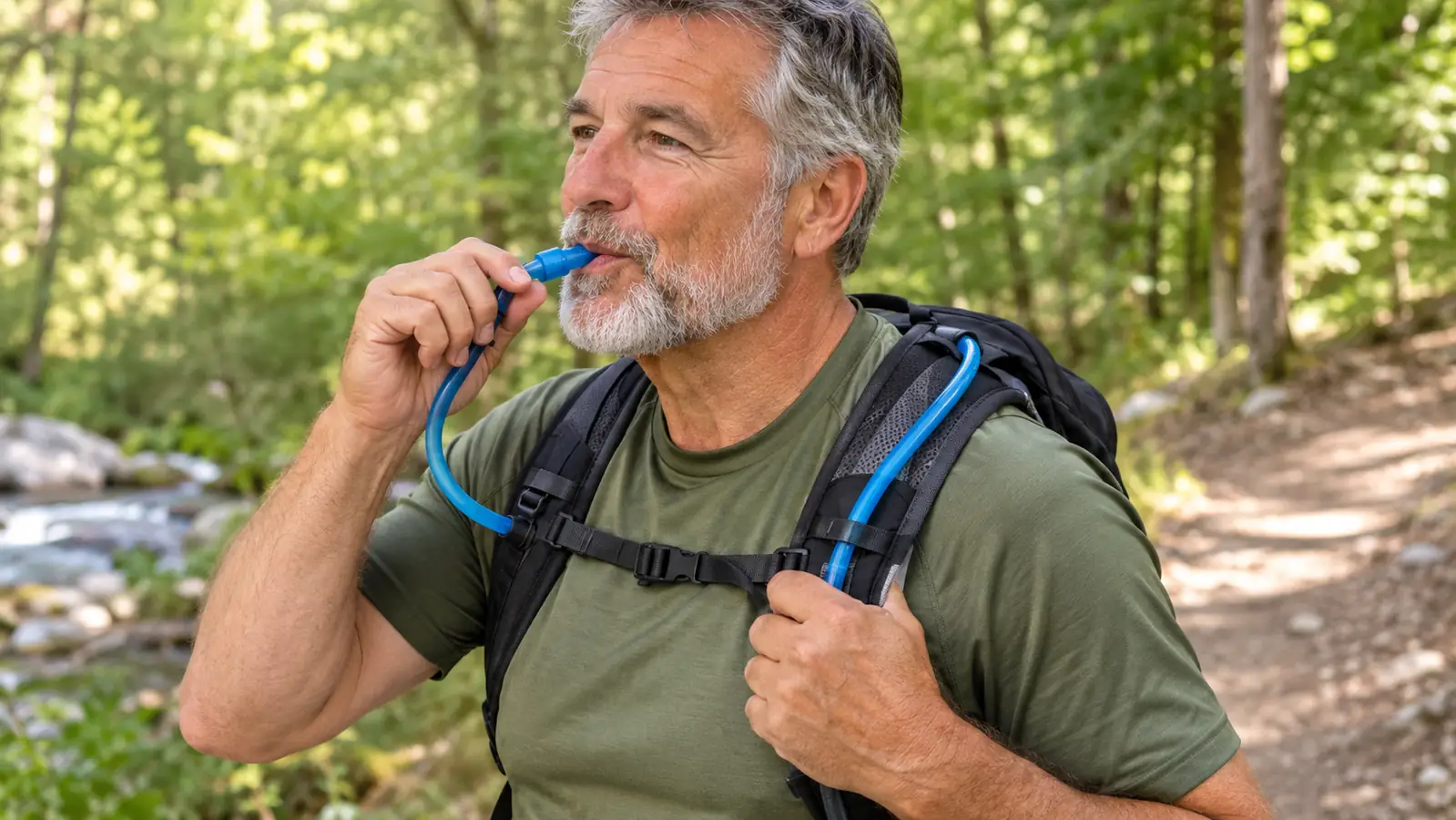
The 2-liter bladder covers my longest regular day
My weekly hikes run 3 to 6 miles. With ice and water in the bladder on a hot morning, I finish with some left over on a 4-mile loop and just enough on a 6-mile one. I am not filtering water or rationing sips. If you hike longer than that, you will want to refill or carry extra, and I would not pretend otherwise. For my ordinary day hikes, the size is right and I am not lugging a gallon I will not drink.
The wide opening makes ice and cleaning less of a chore
The bladder has a wide 2-inch opening. I can drop ice in without chasing it around a narrow neck, and I can get my hand and a bottle brush inside to rinse it. I rinse and hang the bladder after every hike because that is what keeps it from tasting like last week. A wide opening turns a fussy job into a two-minute one. That matters more to me than any feature I would have to read a manual to use.
It sits close and does not swing when I step over roots
The low-profile athletic cut and shoulder straps keep the pack close to my back. On the rooty sections near Little River Canyon, my old pack would shift and thump. The Oasis stays put when I lean forward or step up. I adjust the straps once at the trailhead and forget them. That steadiness matters more to me now than it did at 40, especially with a lower back that prefers not to catch a swinging load. I have not had to fuss with it mid-trail.
The 18-liter body carries my day items without turning into a suitcase
I carry a light rain shell, lunch, a small first aid kit, my phone, keys, and a folded bandana. All of it fits in the 18 liters with room to spare, and the utility pocket keeps the small stuff where I can find it. The pack measures 10 inches wide and 18.5 inches tall, so it sits in the car without taking over the back seat. It weighs 2 pounds, so it does not feel like a load before I put anything in it. It does not tempt me to bring the kitchen sink. On a day hike, empty space is not a virtue if it means I packed too much.
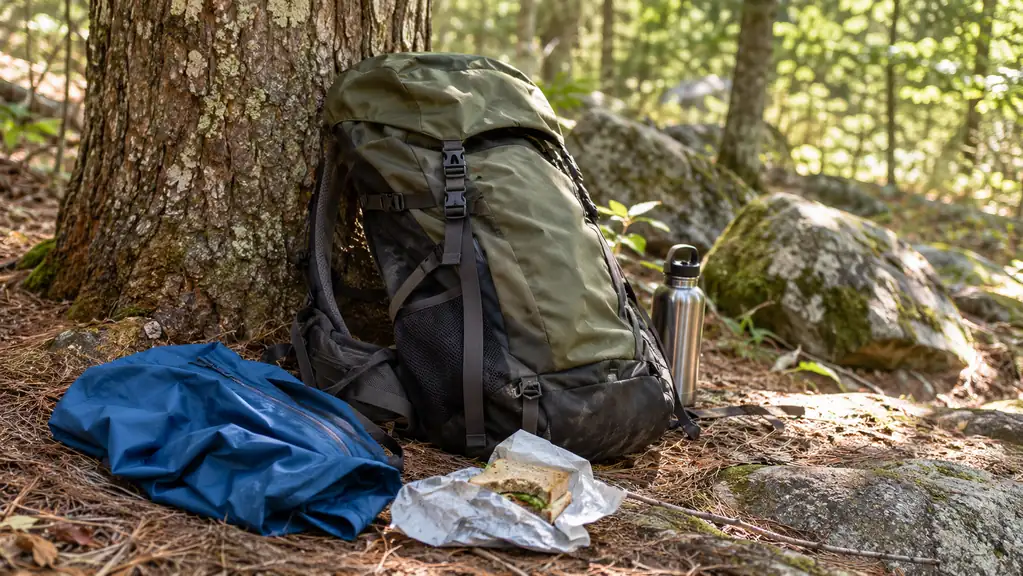
The weather-guarded zippers have handled my wet mornings
I have not drowned the pack, but I have walked through drizzle and set it down on damp ground. The weather-guarded zippers keep grit and moisture out of the main compartments, and they still run smoothly. The 210D 2mm polyester honeycomb ripstop has taken scuffs from rock and branch without a tear. I keep the rainfly in the bottom for the June hike when the sky turned dark and stayed that way. I pulled it over the pack, and my lunch and phone stayed dry.
The rainfly is there when the forecast is wrong
The pack came with a rainfly, and I have needed it once, on a June hike that started sunny and ended with a steady rain. I stopped under a hemlock, pulled the fly over the pack, and kept going. I would not buy a pack for the rainfly alone, but I like knowing it is in the bottom of the pack instead of in the car. Weather in the foothills changes fast. A dry lunch and a dry phone are worth a small item that lives in the bottom.
The fit adjusts enough for a 57-year-old woman who is not shaped like a trail runner
The shoulder straps adjust far enough for me to get the pack comfortable across my shoulders and back. I am 57 and not built like the people in gear catalogs. The low-profile cut is listed to fit men, women, and youth, and I believe it. I loosened the straps on the climbs and snugged them on the descents. Small adjustments made a big difference over 5 miles. I did not need a special women's fit. I needed straps that move and stay where I put them.
It has made my weekly hike a habit instead of a production
The less friction there is, the more likely I am to go. With the Oasis, I fill the bladder, toss in lunch, and leave. I do not hunt for a bottle, I do not fight a zipper with one hand, and I do not stop in the middle of a good stretch of trail. That sounds small. Over a season of weekly hikes, small is what keeps you going out the door on a Tuesday morning. The pack is not the reason I hike, but it is one less reason to stay home.
The limited lifetime warranty is the kind of backup I want in a day pack
Teton Sports lists a limited lifetime warranty on the Oasis. I have not had to use it, and after one season I do not expect to. But I am 57 and I have watched gear companies change their tune once a zipper fails. A company that stands behind an 18-liter day pack for the long haul is a company I am more willing to buy from again. That is not a reason by itself. It is a good tiebreaker when two packs look close.
The 2-liter bladder lasts my whole 4-mile loop, and I never take the pack off to dig for a bottle.
What I'd Skip
What I would skip is the idea that this replaces a backpacking pack. The Oasis is a day pack. I have used it on weekly hikes only, never on an overnight, and I would not try to make it one. I would also skip overloading the 18 liters with camera gear and a folding chair just because the space is there. And if you hike in real cold, the drinking tube can be a nuisance, so I would carry a bottle as backup or leave the bladder home until spring. The pack is good at day hikes. Let it be good at that.
For a 3-to-6-mile day, this is the pack I fill and go
18 liters, a 2-liter bladder, weather-guarded zippers, and a rainfly in the bottom. It has been on every weekly hike since March, and I have not wished for my old bottle once.
Amazon See the Teton Oasis on Amazon →