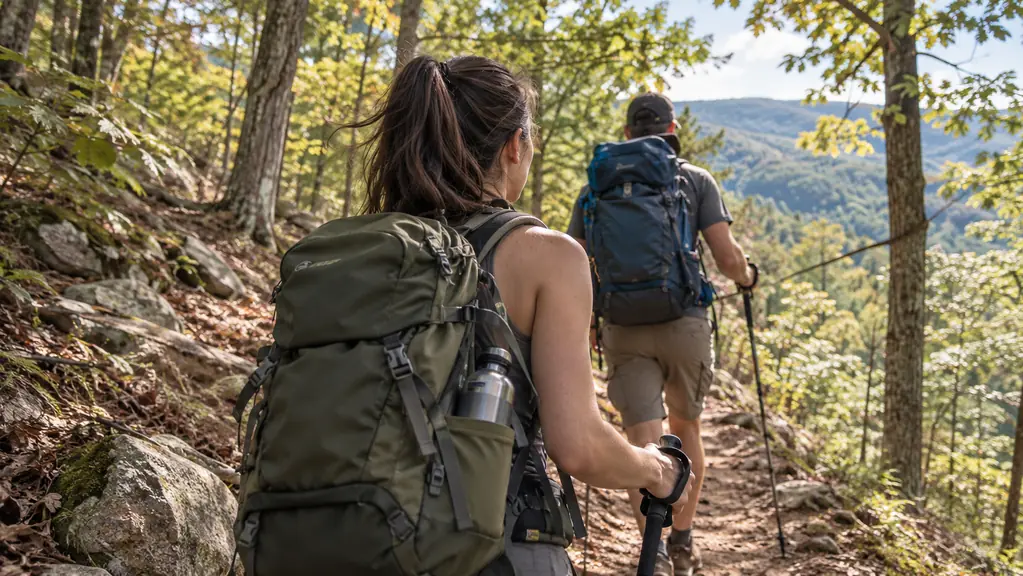
For twenty years I carried water the same way. A plastic bottle in the side pocket of a small backpack. It worked fine until the moment I wanted a drink, and then everything stopped. The pack came off my shoulders, the bottle came out, the cap came off, and Ray would be forty feet up the trail before I was moving again.
I tried the workarounds first. A bottle with a long straw that leaked down my shirt. A holster that clipped to my waistband and bounced against my hip for three miles. A collapsible bottle that tasted like a garden hose by August. Each one solved the wrong half of the problem, which was not carrying water but getting at it while I walked.
On a hot morning in July that ritual happened four times in the first mile. Four stops, four wrestling matches with a bottle that had worked its way down into the pocket. By the time I caught up, Ray had already finished looking at whatever he had stopped to look at.
The fix was the Teton Sports Oasis hydration pack, which I bought the first week of March. It was not a big decision. I wanted the water on my back and a way to drink it without taking anything off. It is an 18 liter daypack with a 2 liter bladder, and I have used mine on my weekly day hikes from March through October, the three to six mile ones I do most weeks.
The first hike with it was a five mile loop I have walked enough times to do it in the dark. I filled the bladder with ice and water, slid it into the pack, and set off. Somewhere around the first mile I noticed I had not stopped and had not thought about water at all. That sounds like a small thing. After twenty years of stopping, it did not feel small.
Four stops in the first mile became zero. That was the whole improvement, and it was enough.
The End of the Water Bottle Ritual
Eighteen liters, a 2 liter bladder, and a rainfly that comes with it. Two pounds on your back instead of a bottle you have to fish for.
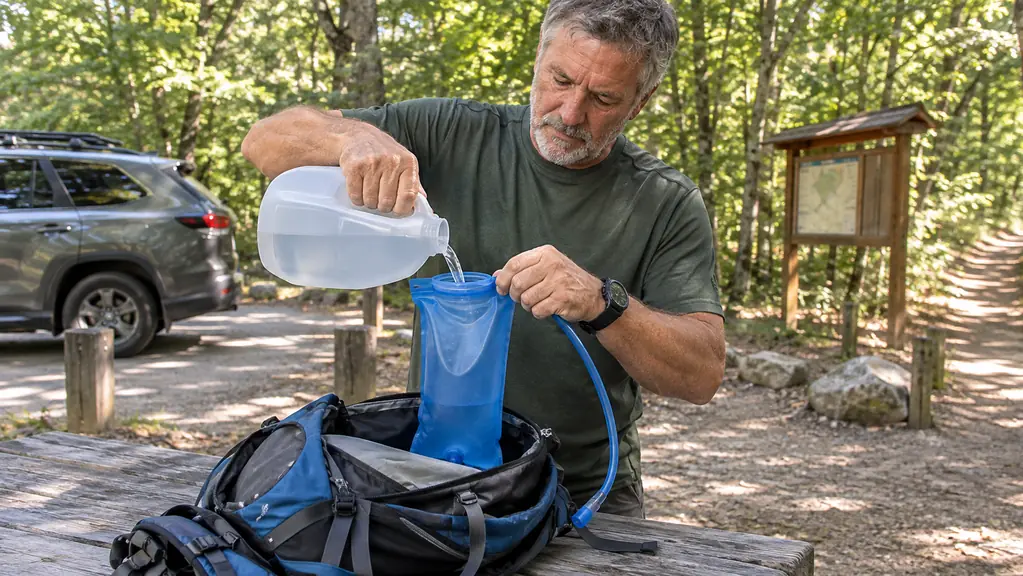
Amazon Check Today's Price on Amazon →Here is what the pack is, without the sales language. Eighteen liters of space, which for me is a rain shell, a sandwich, a small first aid kit, my keys and phone, and a light layer for the evening. A 2 liter bladder that holds more than enough for a hot five mile day. Two pounds when it is empty. Ten inches wide and 18.5 inches tall. A utility pocket on the front for the small things I do not want to dig for.
The bladder has a wide two inch opening, and that matters more than I expected. Ice goes in without a fight. Rinsing it takes about a minute at the kitchen sink. I empty it, rinse it, and hang it over the dish rack after every hike, because a bladder left wet inside a pack is a smell you do not forget.
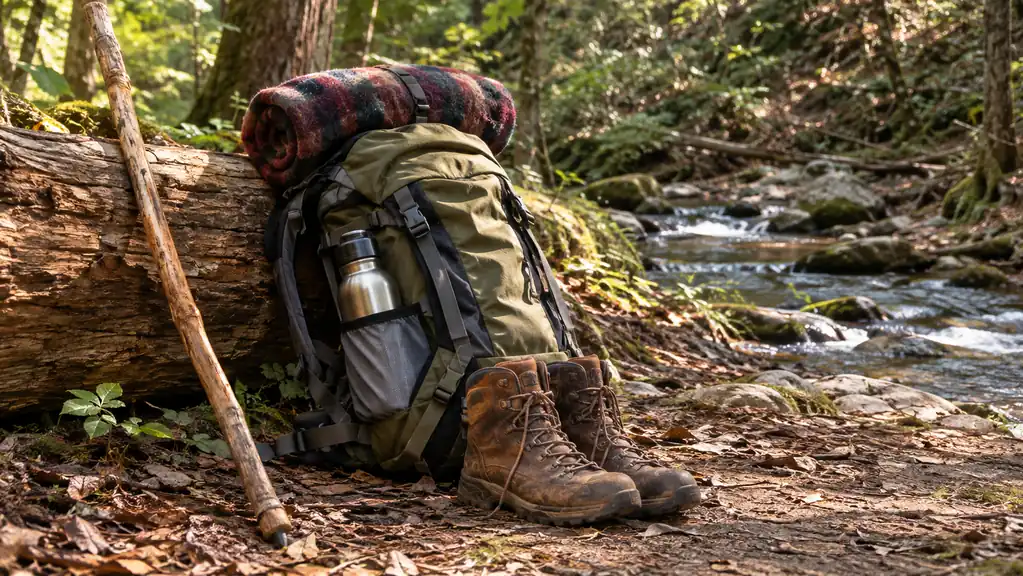
The rainfly came out once, on a June hike when the sky went dark about a mile from the car. I stopped long enough to pull it over the pack and kept walking. Nothing inside got wet. Teton Sports includes it with the pack, and I did not think much of it until that afternoon. The zippers are weather guarded, and the material is a 210D polyester ripstop that has been set down on wet rock and dragged through briars for eight months and looks no worse than the day it came out of the box.
I want to be plain about what this pack does not do. It does not make me faster. It does not flatten the last hill. It does nothing at all for the stiff back I wake up with. It carries water and a few small things, and it keeps me from taking the pack off every twenty minutes. That is the whole of the claim. The cut sits low and close against the back, and the straps adjust far enough that Ray borrowed it once for a short walk and got it to ride right on a frame a good deal taller than mine.
I drink more water than I used to, and I think it is because it takes no decision. There is nothing to unscrew and no reason to stop. On the August hikes, the ones where the air feels like a wet towel, that has been the difference between finishing strong and finishing cranky. I keep the pack light because it is a day pack. I have never used it for an overnight and I do not intend to.
What I'd Tell You If We Were Sitting at My Kitchen Table
If you are still carrying a bottle in a side pocket and telling yourself it is fine, it is fine the way a flat pillow is fine. You have simply gotten used to it. The fix is neither complicated nor costly, and the difference is that you drink more water than you used to, because drinking no longer costs you a stop. If you walk with someone faster than you, you already know how the day goes. You spend it either hurrying to catch up or apologizing for holding them back. I did both for years.
Two things I would say straight. Rinse and dry the bladder every single time, no exceptions, or you will blame the pack for something you caused. And if your day involves a tent and a sleeping bag, this is not that pack. Buy it for day hikes, use it for day hikes, and it should hold up for a long while. Teton Sports covers it with a limited lifetime warranty, which I have not had to test.
One Less Reason to Stop Walking
The bladder goes in, the pack goes on, and the water is there when you want it. That is all it promises, and it keeps that promise.
Amazon See the Teton Sports Oasis on Amazon →